

Getting traction as a small product brand
Chelsey Bartrum on content, analytics and growth steps for small brands
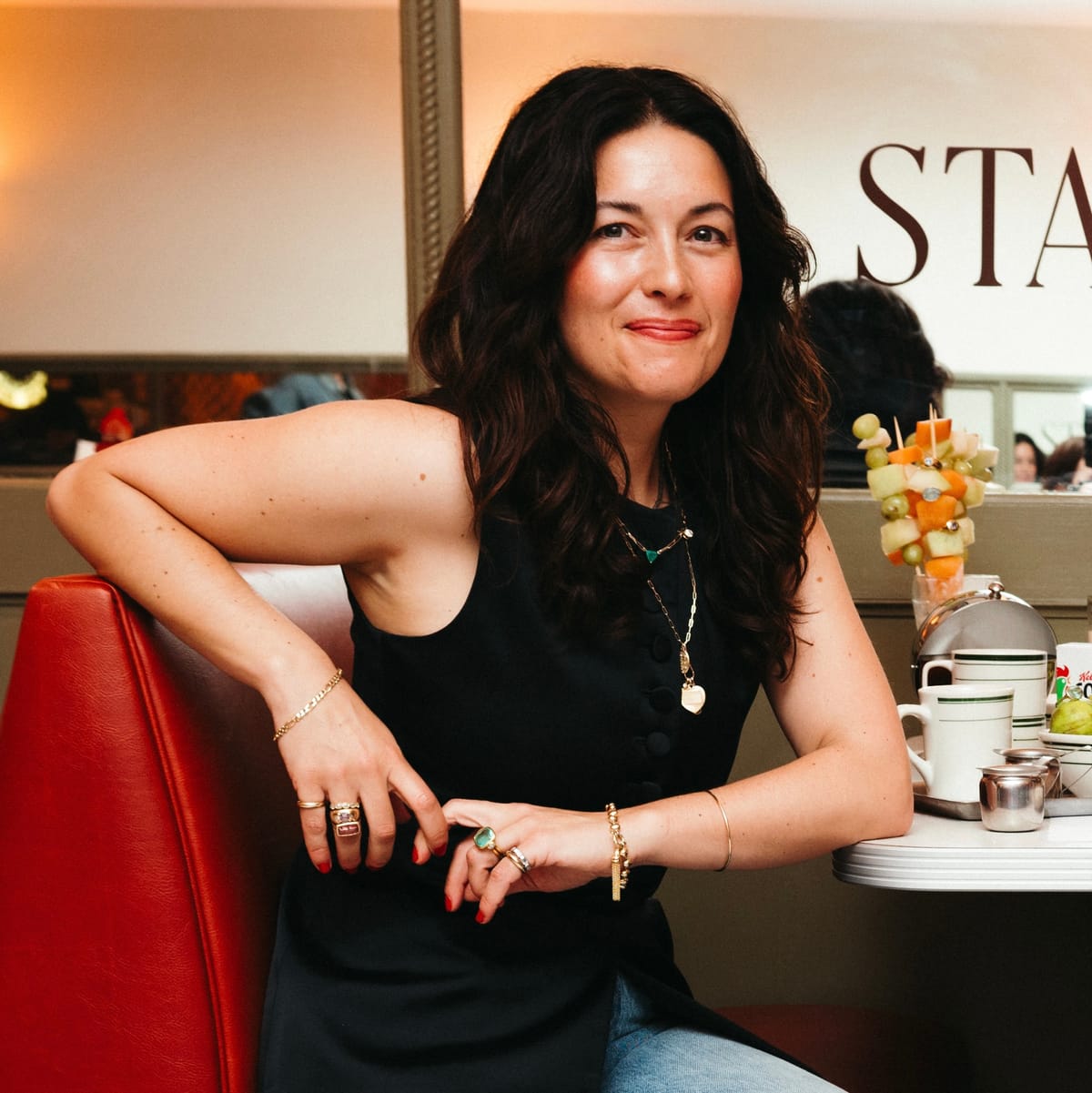
Bespoke jewelry doesn’t have to be "precious." Designer, gemologist and bench jeweler Chelsey Bartrum created her indie jewelry brand, Starling, to provide customizable and modern heirlooms by combining recycled metals, ethically sourced stones and the skills of Los Angeles metalsmiths.
Designing in conversation with the customer and the materials, Starling seeks out the rare and extraordinary to represent the loves, commitments and major moments of the customer’s story—with the belief that the best pieces are the ones that are well-worn and well-loved. Here, Bartrum shares what she’s learned throughout Starling’s 10-year journey, what she wishes she’d known when she started and actionable ways other small business owners and founders can move their brands forward.
—Interview by Marcy Medina, edited by Bianca Prieto
What’s a specific example of a "turning point" in your business trajectory when you knew your brand was gaining traction?
Looking back, it sounds obvious, but we started sharing the jewelry I actually wear and the stories behind the pieces. People on TikTok really gravitated toward the colorful alternative birthstone pieces and my emerald engagement ring. We had a couple of videos go viral, and that was the start of it! I love big, colorful gems and unique birthstones. I just didn't know how to transition from Starling's more delicate pieces into the larger, bolder ones, so I needed that boost of confidence and social proof.
What mistakes did you make in the early days, and what did you learn from them?
Trying too hard to create what I thought was missing in the jewelry space instead of exploring more of my own interests and art. I had a namesake jewelry brand that I started before Starling, pouring my heart into creating these very artsy, nature-inspired silver pieces that I had a hard time selling. That experience made me feel very self-conscious, so I purposely wanted to create a more commercially-minded business far removed from my personal art. Ultimately, success came when I married the two concepts and shared my story through jewelry, highlighting a passion for one-of-a-kind gemstones that others weren't using.
What can a small brand founder or retailer do in the next seven days to help their business?
Create a clear and differentiated plan outlining two to three social media channels and two to three repeatable weekly series for each channel. You don't need to be on every channel, so pick your strengths— short-form personal videos and tips (TikTok), beautiful imagery and storytelling (Instagram), writing and how-tos (Substack), etc.
Lock down your yearly calendar. Include major holidays, inventory/production lead times, marketing events, launches/collaborations and your personal downtime. Including everything will make it feel much more doable. This is also a note to myself to do this ;).
What about in the next seven weeks?
Get your analytics in order—make sure you are tracking numbers that will help you grow so that in seven weeks you can have a better sense of patterns, growth you can be proud of and any areas needing attention.
What advice do you wish someone would've given you five or even 10 years ago?
Create what you love, look inward instead of outward, and share your personal story. People love getting to know the face behind the brand. Find a way to share your story comfortably.

Thanks for reading this week's edition!
You can reach the newsletter team at theskupe@mynewsletter.co. We enjoy hearing from you.
Interested in advertising? Email us at newslettersales@mvfglobal.com
The SKUpe is curated and written by Marcy Medina and edited by Bianca Prieto.


Comments ()