

Glamour is still big business for retail
Designer to the stars on turning red carpet looks into retail sales
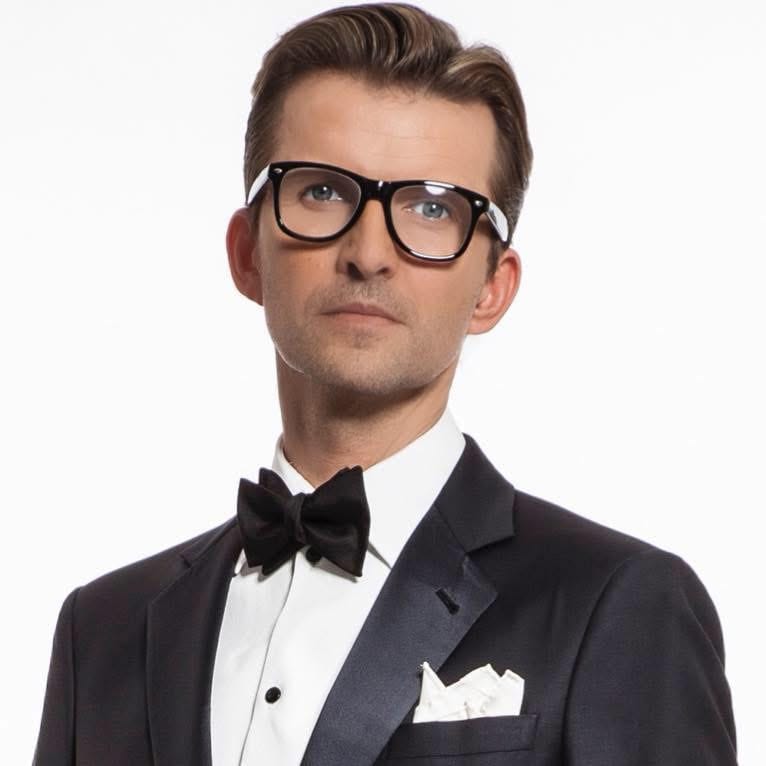

Glamour sells. Just ask Emil Gampe, an Austrian-born, Los Angeles-based fashion designer and founder of House of Emil. His fashion brand, Emil Couture, produces red carpet collections and costumes for stage and screen, with big name clients like Beyoncé, Mariah Carey, Jennifer Lopez and the cast of "Dancing with the Stars."
Gampe trained as a textile engineer in Vienna and studied fashion at London’s Central Saint Martins, working in London and New York before establishing House of Emmil in L.A. His gowns have appeared on many high‑profile red carpets, including the Oscars, Emmys and Grammys, and he’s been in front of the camera as well, winning the reality TV fashion competition "Launch My Line" in 2010.
Here, he shares why society's obsession with Hollywood can often translate into sales, and how to capture the awards season sparkle year-round.
—Interview by Marcy Medina, edited by Bianca Prieto
Why do you think people all over the world love celebrity red carpet fashion?
Red carpet events are where celebrities appear as themselves, not as characters, which gives stylists far more creative freedom and produces the surprise moments that land looks on best- or worst-dressed lists. That element of excitement invites public opinion. It’s also one of the few places public figures still truly dress up, which is more interesting than casual wear. Evening wear—especially red-carpet fashion—is the holy grail of clothing.
What makes a certain gown a hit at retail?
I believe the key to great couture is identifying the most inspiring or essential element of a garment—whether a distinctive neckline, a decorative detail or an unexpected color—and pairing it with a silhouette that flatters multiple body types. The most successful pieces strike a balance between a fresh, exciting element and a timeless, recognizable foundation that the audience can immediately understand. If there’s a reliable recipe, it’s to balance any unusual design element with at least as much recognizable, classic detail.
What are the women's evening wear trends that will be most prevalent in 2026?
Living in uncertain times, I think fashion that merely reflects the “today and now” performs poorly. People crave an escape into fantasy–often not a different place but another time. Trends must either look backward for comfort in historic references (think French court refinement rather than medieval gloom) or look forward with optimistic futurism—bright, positive visions instead of dystopian bleakness.
Any advice for retailers on how to capture the red carpet magic and translate that into sales?
Just as stars choose vintage couture and archival pieces, I think it's unwise to rely solely on the latest collections for inspiration. Study what couture designers have done in the past and what they're doing now—you can even anticipate where they'll go next. Design is in the air; we all breathe it.
In your opinion, is this type of marketing relevant all year round or just around awards season?
While there is a defined red‑carpet season, premieres and events occur year‑round. Focusing on those less‑crowded moments can be advantageous, and could even create alternative “seasons” tied to different colored carpet events! Also, at premieres, stars often lean into a film’s theme; think Ariana Grande for “Wicked,” Margot Robbie for “Barbie,” Zendaya for “Dune”. Watching the season’s films sparks inspiration; remember that in Hollywood’s Golden Age, film costume design was a major driver of fashion trends.

Thanks for reading this week's edition!
You can reach the newsletter team at theskupe@mynewsletter.co. We enjoy hearing from you.
Interested in advertising? Email us at newslettersales@mvfglobal.com
The SKUpe is curated and written by Marcy Medina and edited by Bianca Prieto.



Comments ()