

The realities of running a global fashion brand
A founder shares how she works between India and Los Angeles
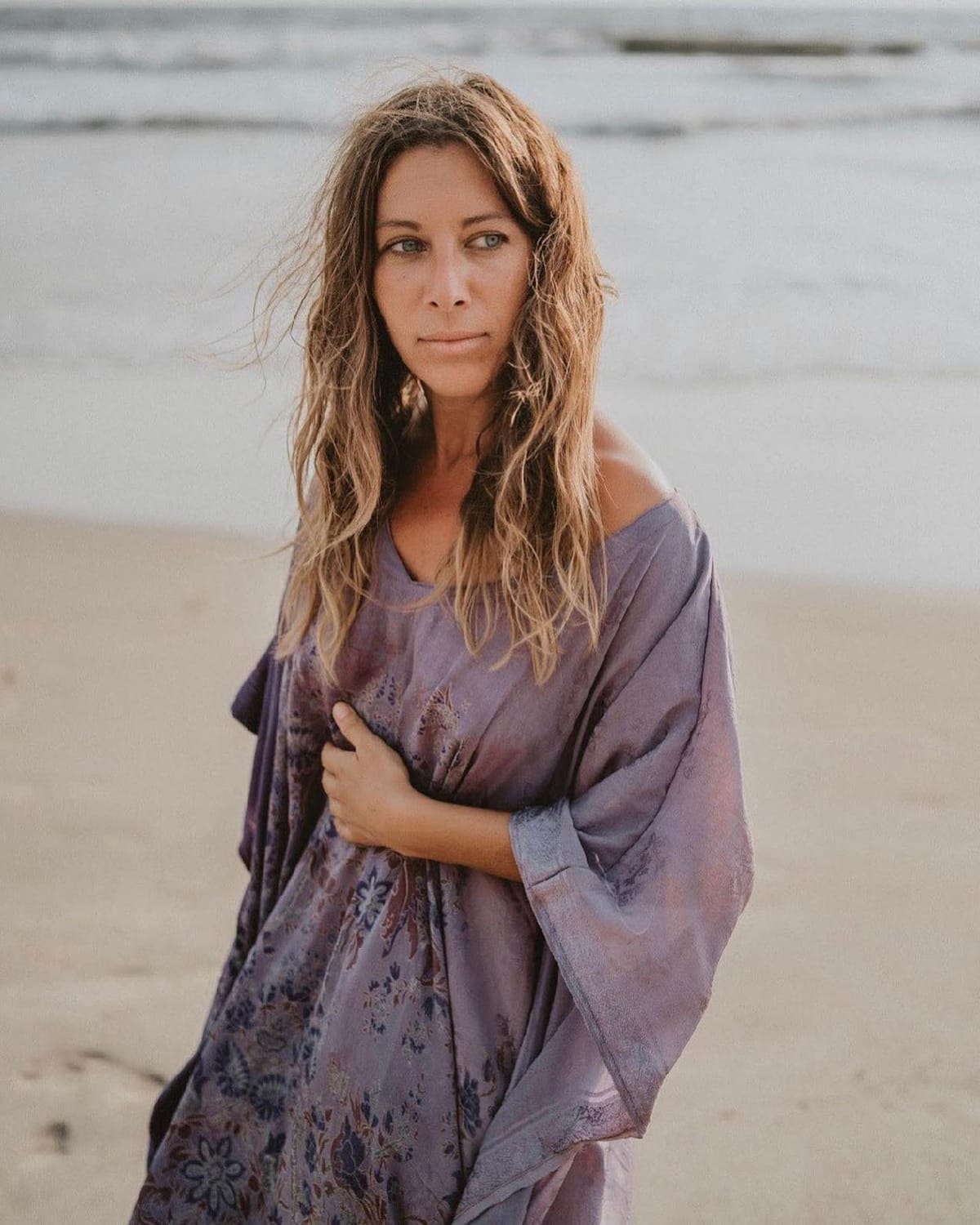
Being an apparel manufacturer and retailer is often a global endeavor. Boston-area native and Los Angeles transplant Elissa Kravetz should know–she accidentally became one over a decade ago.
While on a yoga retreat in India in 2014, she met a family sourcing vintage fabrics at a local night market. The connection led her back six months later to produce her first 100 dresses with their local tailors. What started as selling pieces from her Venice Beach bungalow quickly grew into Sun Child after strong demand—and a pivotal meeting with buyers at Barneys New York.
Now based in Goa, India, Kravetz runs her brand across continents, working with different tailors across India. Here, she shares how she manages global production, travel, and day-to-day operations as an independent fashion business owner. Here, she shares how she handles commuting across the globe to manage her business.
—Interview by Marcy Medina, edited by Bianca Prieto
Since moving permanently to Goa six years ago, how has the sourcing piece of the business changed?
Since moving to Goa, sourcing has become far more integrated into my daily life. Instead of traveling 30 hours across the world to visit the family, I can now hop on the back of a motorbike and be at their house in 30 minutes. I have also built relationships with additional suppliers across India, and some now ship textiles directly to my home. There are weeks every month that I dedicate entirely to reviewing fabrics. I sit in the living room with my local assistant Filu, my dogs running around, classic rock playing and we spend hours going through piles of vintage textiles together. My Goan home has become what I like to call “Guitars and Ganesha,” a mix of my rock & roll roots from L.A., surrounded by beautiful stacks of vintage fabric.
What parts of Sun Child operate out of L.A., and what parts are in Goa?
In the Topanga Canyon area of L.A., we have a working showroom that functions as both a by-appointment studio and our fulfillment hub–stores visit to view the collection. Clients book private or virtual FaceTime appointments, and all e-commerce orders ship from there. The brand actually began in 2016 with a single rolling rack in my kitchen in Venice Beach, where I would dress women one-on-one, and that intimate experience evolved into our dedicated showroom space.
Goa is where the creative and production side of the business lives—it is where I source vintage saris, design new pieces and work with our artisans and tailors. I conceptualize all of the shoots for the brand from Goa, with most shoots taking place in and around the region. Our newly launched sister collection of sleepwear, called Moon Child, is developed and produced in collaboration with The Saheli Women in Jodhpur.
Do you now plan extended visits to Los Angeles to get those parts of the business done?
Yes, in many ways, it has become a reverse commute. I typically come to L.A. a couple of times a year and spend most of that time in the showroom meeting clients and stores. One of the most rewarding parts of the brand is seeing the pieces come alive on the women who wear them, so those visits are very special to me and give me tremendous creative feedback and inspiration. When I am in Goa, the pace is slower and deeply focused on sourcing and creation. When I come to Los Angeles, I plug back into the energy of the customer and the market.
What's the biggest challenge of running a brand that's split between two halves of the world?
I cannot physically be in two places at once. My role naturally pulls me toward the creative and sourcing side in India, while the business operations and customer-facing side are in the States. Balancing the two worlds is demanding and a bit tough on the body with all of the travel. I also have a habit of sending messages at all hours, all days. The time difference can sometimes pose a lag in quick communication.
What advice would you give founders or retailers who source or buy inventory from faraway places?
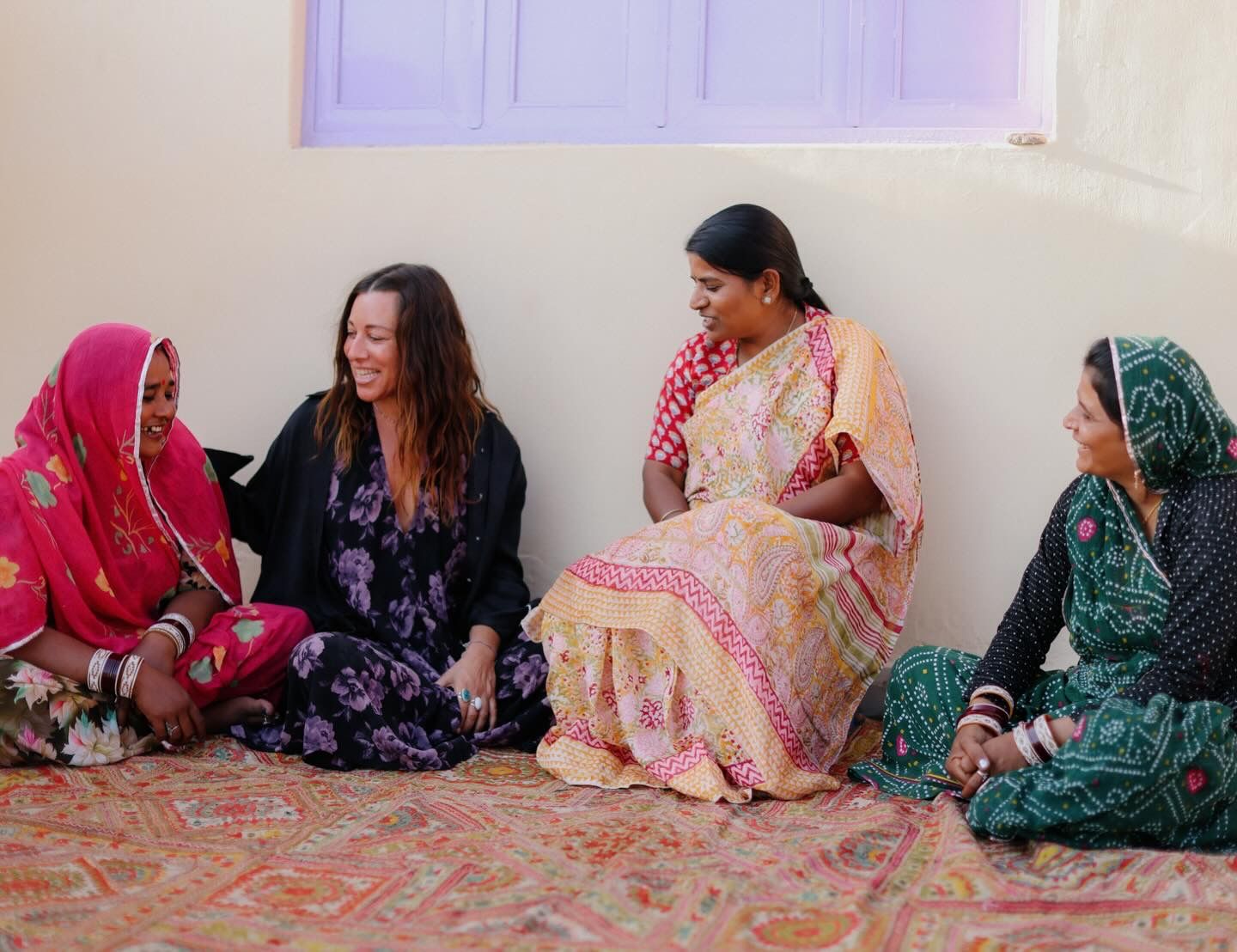
For me, sourcing is an extremely tactile experience. Over the years, many suppliers have offered to send photos or swatches, but I have always believed that the only way to truly understand a textile is to touch it, hold it and feel it against the skin. Every Sun Child piece is designed to feel incredible on the body, and I can only guarantee that by physically spending time with the fabrics and the artisans who make them. Even when developing our Moon Child collection with The Saheli Women in the desert of Rajasthan, I traveled there and spent weeks reviewing fabrics in person before anything was produced. My advice is to slow the process down and build real relationships with the people you work with, looking someone in the eye, even through the language barriers, creates a level of trust and craftsmanship that you simply cannot replicate over photos.

Thanks for reading this week's edition!
You can reach the newsletter team at theskupe@mynewsletter.co. We enjoy hearing from you.
Interested in advertising? Email us at newslettersales@mvfglobal.com
The SKUpe is curated and written by Marcy Medina and edited by Bianca Prieto.



Comments ()