
Why the future of work is fractional
How April Uchitel's The Board went from a Rolodex to a talent-matching powerhouse for modern brands
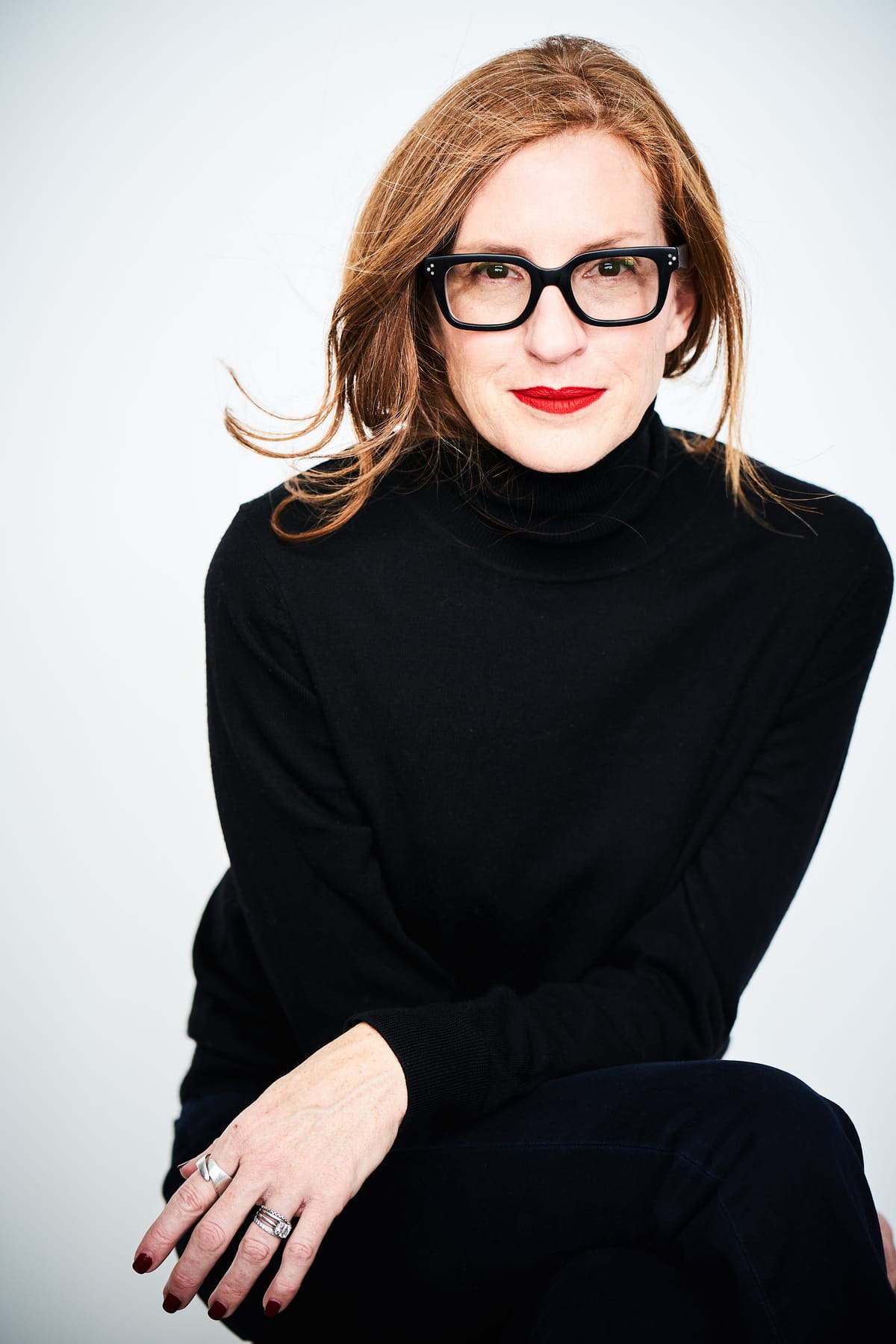

For retail leader April Uchitel, what began as a Rolodex became a loose business plan: “Angie’s List meets Tinder for brands” is how she explains The Board.
While she was CEO of beauty retailer Violet Grey, 135 brands called her for recommendations on presidents, formulators and sales leads. When the pandemic hit, she watched senior talent leaving corporate roles in droves, remote work normalized and the need for curated fractional talent took off. The Board soon evolved into a community-first model, built to match proven operators with brands and have a true win-win impact for all. Here, she shares what full-time work has taught her and why the future is fractional.
—Interview by Marcy Medina, edited by Bianca Prieto
What did you learn working for various retailers about team building and how to create the strongest team for a startup and a mature business?
I have been both employee number four and number 40+ and teams are very different at these different stages. A startup is about stakeholder mentality— everyone is deep in it—wearing all the hats… once the business starts to get traction, it becomes about getting the right people into the right roles. Unfortunately, in a startup, this often means the business outgrows the talent. It's a challenging situation to thank someone for their hard work while also letting them know they are no longer the right fit. The key as a leader is making sure you have the right people in the right roles at the right time. Most times, this is much easier said than done.
Why is fractional employment more suitable for some businesses today?
I believe the future of work is built on project-based teams and fractional experts. At every growth inflection, founders look around and ask: Who can get us through the next phase? Often, the answer isn’t in the room, nor another full-time hire—instead, tapping a senior exec who’s done it before and will be fully dedicated to that project will have far greater impact than teams figuring it out as they go. Need to launch on Amazon, build your first product line, expand internationally or overhaul influencer strategy? Bring in experienced leadership for the sprint: faster outcomes, less overhead and none of the old hierarchical baggage or time wasted filling their days with HR and politics.
How has the job landscape changed since you were an FT executive?
The talent pool has shifted and the old constructs no longer serve many people, and layoffs pushed plenty into new paths. Add rapid tech change and the need to upskill constantly, and nobody can coast: bloated teams are shedding weight and getting leaner than ever. I don’t think this pendulum is swinging back.
Have The Board members filled fractional positions at companies?
Yes! We focus on fractional roles, project-based (three–six months), or "Dream Teams", where we bring in a few members at once to have an exponential impact. Recently, we backfilled a CMO role at an $100M L.A. fashion brand while they searched for the CEO, knowing they would want to build their team. We've put members into companies that moved to full-time roles (three this year), fractional president roles at an L.A. activewear brand, VP of growth at a CPG brand, a team of five members (and counting) for a large fashion retailer transformation project (brand strategy, influencer, merchandising and growth), and more.
What would your advice be for a small company owner or founder about building a team?
Each case is slightly different, which is why The Board is tailored to meet the specific needs of each brand. I believe fractional roles are ideal for early-stage companies and scale-ups, as they typically operate lean and may not have the resources to hire highly experienced talent full-time. By engaging fractionals for dedicated sprints, they can seamlessly integrate into the team, working efficiently while also sharing knowledge and skills along the way.
I often explain that, for the cost of a full-time junior employee, you can have two senior professionals working fractionally, delivering significantly greater value. Most fractionals work on retainers or project-based fees (rarely hourly, as it’s challenging to manage and the focus is more on the value of the work rather than the time it takes to complete).
The best way to think about it is that with fractionals, you get a fraction of their time at a fraction of the cost, but benefit from their full expertise—their knowledge and networks included.

Thanks for reading this week's edition!
You can reach the newsletter team at theskupe@mynewsletter.co. We enjoy hearing from you.
Interested in advertising? Email us at newslettersales@mvfglobal.com
The SKUpe is curated and written by Marcy Medina and edited by Bianca Prieto.



Comments ()